Latest Growing guide
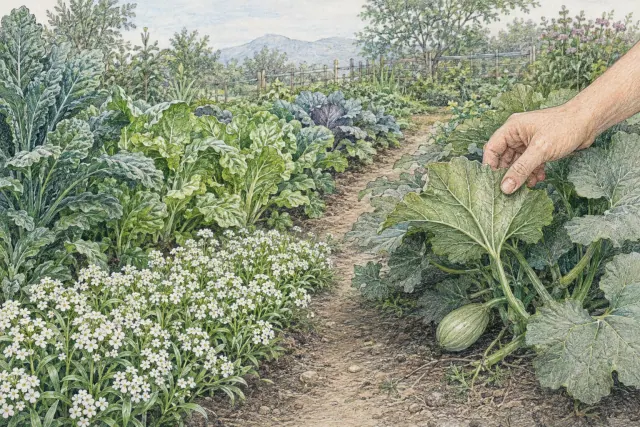
Companion planting, with a job to do
Choose a useful role for flowers, trap crops and marigolds, with the evidence and limits beside the advice.
Lushly · Editorial preview
Garden guidance with its assumptions left in. Read the evidence, try the worked examples, and bring what fits into your own garden.
Latest note August 24, 2026.Free to read.Tools from the notes
Latest Growing guide
Choose a useful role for flowers, trap crops and marigolds, with the evidence and limits beside the advice.
Garden basics
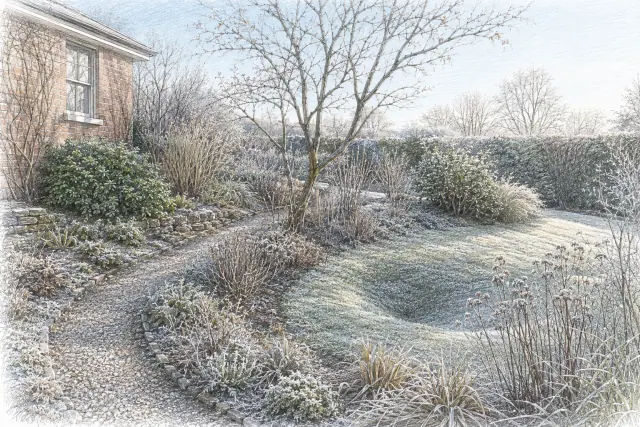
Use a hardiness-zone label for the winter question it answers, then check the site and season the zone leaves out.
Growing guide
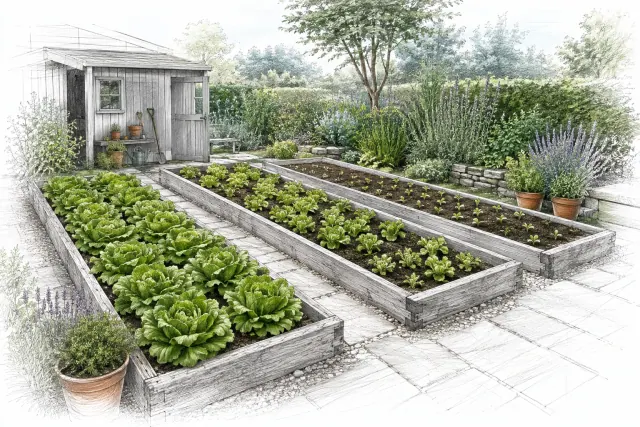
Use smaller sowings, explicit harvest assumptions and your season limits to plan a harvest you can use.
Soil health
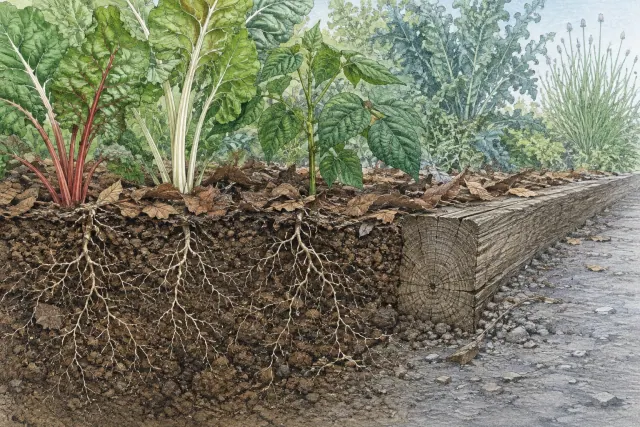
Observe one bed, take a useful soil sample and turn the report into a measured next step.
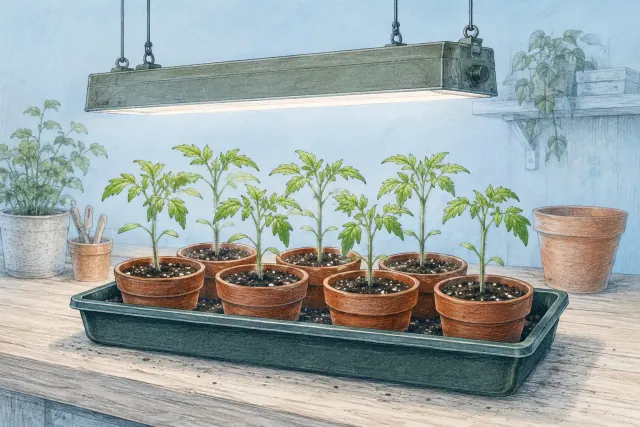
Growing guide
Follow one tomato tray from sowing to set-out, with dates, plant-stage checks and a reusable bench plan.
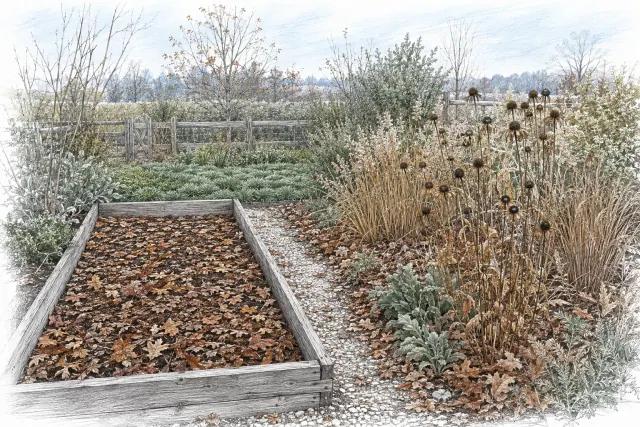
Seasonal guide
Close one harvested bed with a disease check, deliberate habitat, covered soil and a short record for spring.
The workbench
Each one follows the method its note explains, and what you type stays on your device.
Count how many of the same marked plants have aphids at two visits, and read what those counts can and cannot tell you.
From Companion planting, with a job to do
Open the observation worksheetTurn a first sowing date into a few more, each with an estimated harvest window, and see where they overlap or leave gaps.
From Succession planting for a continuous harvest
Open the sowing plannerCount back from a provisional outdoor date to a sowing window and a hardening-off review date, with a tray record.
From Start seeds that stand on their own
Open the seedling bench planA printable note for one bed: what leaves, what stays, its winter cover, and the next crop.
From Putting the garden to bed
Open the winter bed recordChoose a zone to see the winter low it stands for, in °F or °C, and whether an example 6–8 tag covers it.
From Hardiness zones: read the tag, choose the spot
Use in the note: zone decoderSet a plant tag’s range against your zone, note where you might plant it and what to ask, then print or download it for the nursery.
From Hardiness zones: read the tag, choose the spot
Use in the note: nursery noteA bed note for what you see, how you sample and what to ask the lab, ready to print.
From Get to know your garden soil
Use in the note: soil field sheetStart here
How these are made
An AI model drafts each note from published research and growing guidance, and every source is listed at its foot.
Each note records the review it has had. Five of the six have had an independent AI check against their sources; none has had a human review yet.
The illustrations are AI-generated, made to show the idea rather than a real garden.
Field Notes are in editorial preview, so a note may change as it is reviewed.
In Lushly, the assistant suggests the note that fits what you are asking, and a note can show your saved garden’s zone and soil beside it.