GROWING GUIDES • PLANNING & HARVEST
Succession planting
for a continuous
harvest.
Smaller sowings, fewer gluts. Plan a harvest you can use, and adjust it to the season.
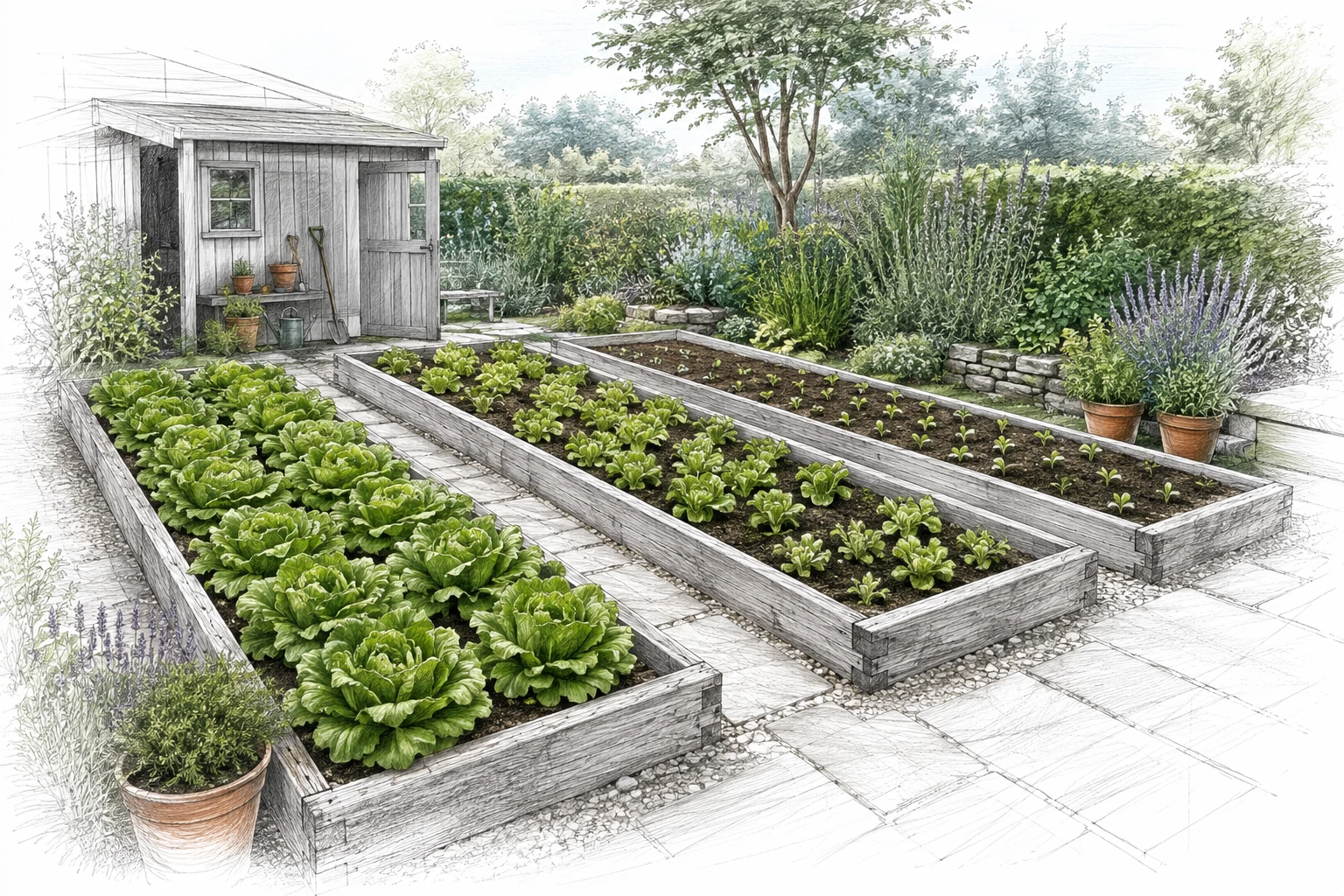
A whole bed of lettuce can be ready before you can eat it. Then it is gone. Succession planting spreads the work—and the picking—across several smaller plantings.
Start with a crop you want regularly and choose one of these three methods.1
Three ways to keep
something coming.
Repeat a little
Sow short rows of lettuce or radishes at intervals. Use the previous batch’s harvest to decide whether the next should be larger, smaller, or later.
Give the bed a second act
Follow a spring crop with one suited to summer, or a summer crop with fall greens. Check that the next crop has enough suitable weather to mature.
Vary the finish line
Plant early- and later-maturing varieties of the same crop. One sowing day can give you several harvest dates.1
A SMALL EXPERIMENT
Same crop.
A steadier rhythm.
Change the interval between four equal sowings of salad greens. See when their cutting windows overlap, meet, or leave a gap.
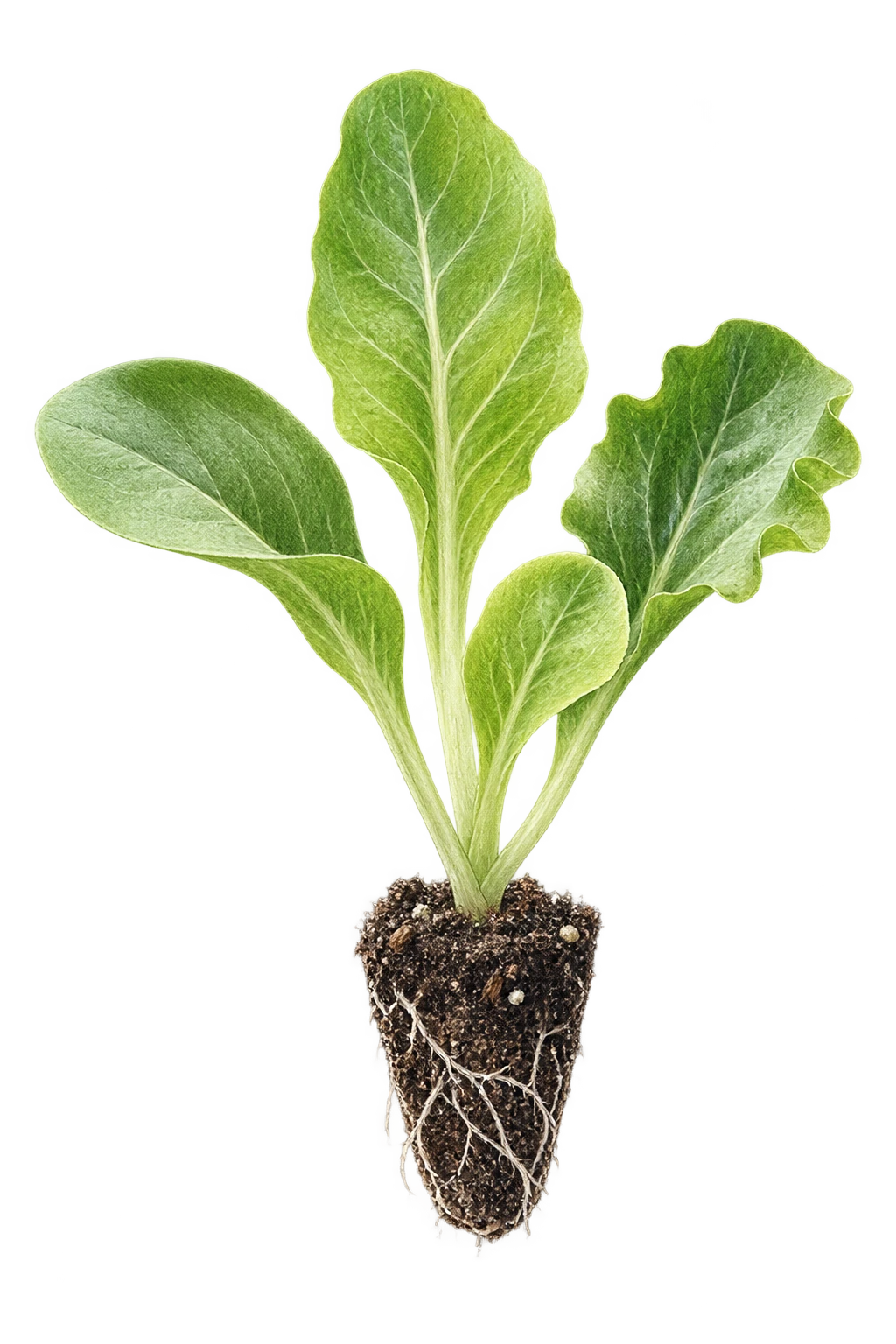
Salad greens
The modeled cutting windows meet, from week 5 to week 13.
A planning example, not a forecast. Uses 35 days to first cut and a 14-day cutting window, selected within Minnesota Extension’s ranges for arugula, mustard greens, and salad mix: 25–45 days to maturity and 2–3 weeks of harvesting. Actual timing varies.5
Source, assumptions & dates
Minnesota Extension’s planning figures draw on seed-company guidance, variety trials, farm experiments, and grower interviews. They are ranges for planning, not a prediction for your garden.5
This example selects 35 days to first cut and assumes repeated cuts within a 14-day window for every batch. It holds establishment, growth rate, and growing conditions constant; it does not calculate yield or bed capacity. Day 0 is the first sowing, and each window ends at the start of the listed end day.
| Batch | Sow | First cut | Window ends |
|---|---|---|---|
| 1 | 0 | 35 | 49 |
| 2 | 14 | 49 | 63 |
| 3 | 28 | 63 | 77 |
| 4 | 42 | 77 | 91 |
Let the crop set the pace.
Lettuce prefers cool conditions. Heat can make it bolt and turn bitter; a sowing interval that works in spring may fail in summer. Choose season-suited varieties and consider afternoon shade where summers are hot.2
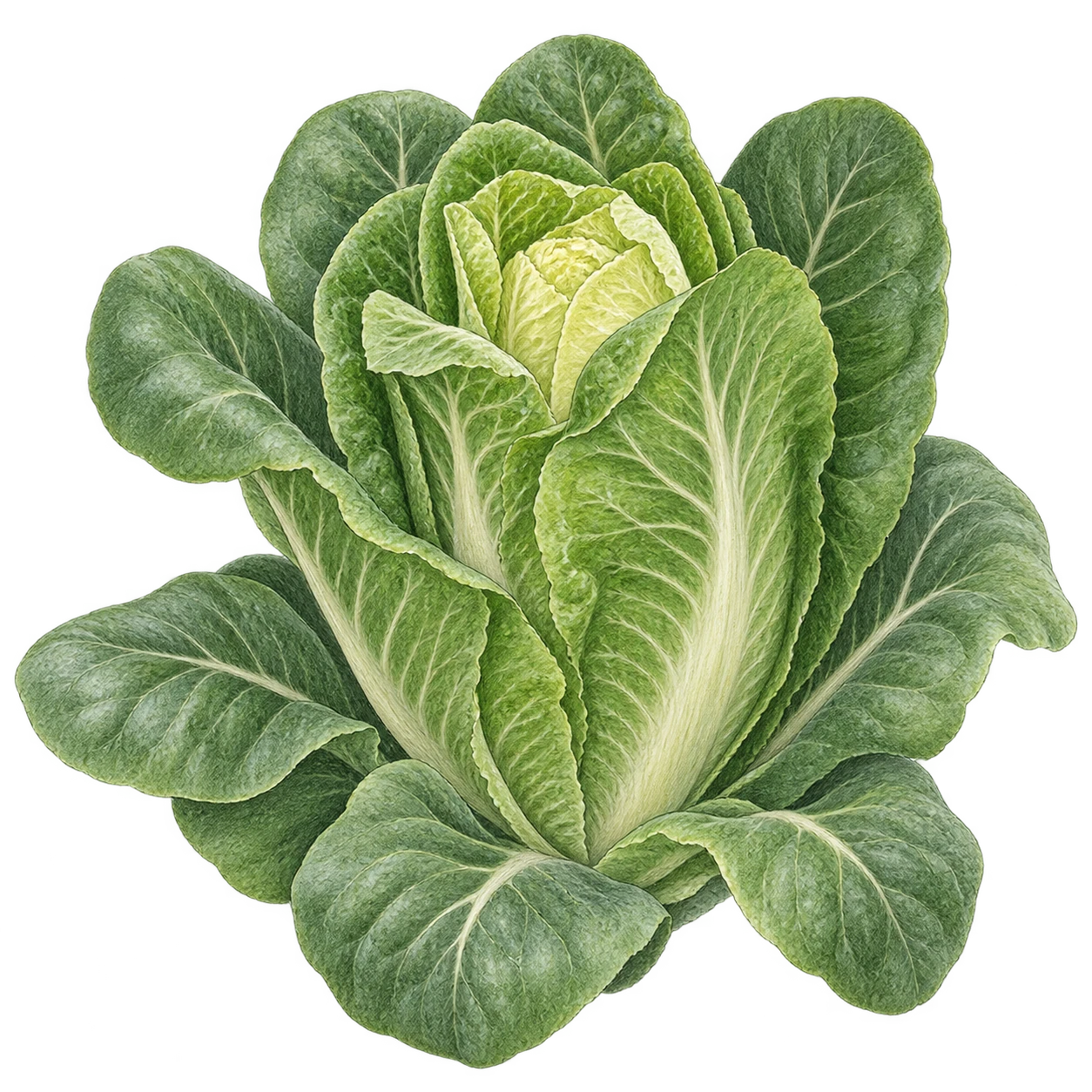
A bed harvested as whole heads needs a different plan from baby lettuce cut for regrowth. For baby leaf, Johnny’s recommends cutting above the growing point. Decide how you will harvest before choosing an interval.6
Also check what “days to maturity” means on your packet. Some estimates begin at transplanting, others at sowing. Johnny’s lettuce guidance, for example, uses spring transplants and adjusts for direct sowing and season.6
Before each new batch, check three things: space for it to grow, suitable weather ahead, and whether you can use the previous harvest. Record sowing and first-picking dates so next season’s plan starts with your own evidence.
TWO GROWERS, TWO USEFUL LENSES
Another sowing.
Or another picking?
A steady supply can come from new batches or a longer harvest from each plant. Pam Dawling and Charles Dowding put different emphasis on these choices. The small trials below are Lushly adaptations of their guidance.
Keep new
batches coming.
Pam Dawling · Sustainable Market Farming
Dawling uses sowing and harvest records to refine the gap between plantings. Her succession guidance adjusts the schedule as growing conditions change; a fixed interval is a starting point.3
Try it with one crop
Plan a few small batches. Record each sowing and its first and last harvest. If the batches bunch together or leave a gap, change the next interval.
Where it fits
Crops you harvest as whole plants, or batches whose quality declines. Allow space and time to establish their replacements.
Pick more from
the same plants.
Charles Dowding · No-dig gardening
For loose-leaf lettuce, Dowding picks outer leaves while leaving the growing center intact. He describes needing fewer sowings with this method than when harvesting whole hearts. His calendar reflects his southwest England growing conditions.4
Try it with a few lettuces
Leave some plants for regular outer-leaf picking. Record how long they give leaves you want to eat, and use that harvest window to plan replacements.
Where it fits
Small, frequent leaf harvests. Plan differently if you want whole heads; heat and bolting can still end a plant’s useful life.
These practices can work together: pick from established plants while a smaller replacement batch grows. Let the harvest you want determine the rhythm.
FROM THE PAGE TO YOUR GARDEN
Make it
your own.
Choose a first sowing date that suits your crop and season. Adjust the estimates, then take a small plan out to the garden.
Enable JavaScript to build a dated plan. To plan by hand, add your sowing interval for each new batch, then add the days from sowing to first harvest.
Add to my garden
Plant this succession in a bed
Choose a bed and a crop, and Lushly plans the sowings from that crop’s recorded timing. You see every planting it would add before anything is saved. Because Lushly uses the crop’s recorded days to maturity, its dates can differ from the sowing planner above.
Enable JavaScript to add a plan to your garden. The article, sources and manual planner work without it.